Latest News
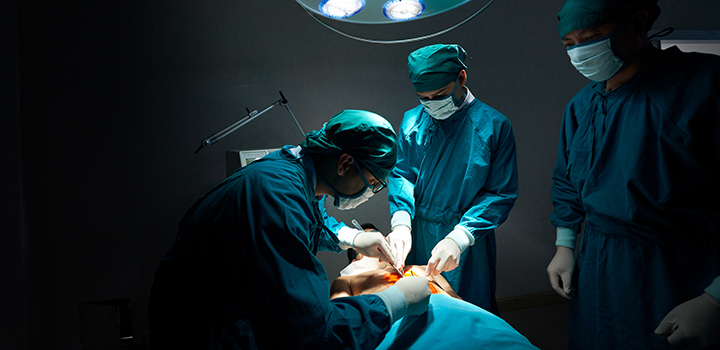
Timing of heart surgery crucial research shows
Valve replacement heart surgery should be performed earlier than conventionally thought for people with aortic stenosis according to new research from the University of East Anglia.
Read more
Will Harris appointed as new Visiting Poetry Fellow at The British Archive for Contemporary Writing
The British Archive for Contemporary Writing, based in UEA Library, has announced the appointment of a new Visiting Poetry Fellow, Will Harris.
Read more
UEA’s research confirmed as ‘world-leading’ by national assessment
The global significance and real-world impact of the University of East Anglias (UEAs) research has been confirmed with the Research Excellence Framework 2021 classifying 91 per cent of it as world-leading or internationally excellent.
Read more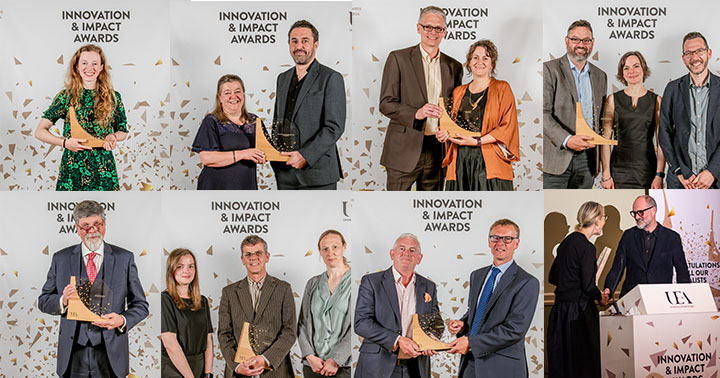
Innovation & Impact Awards 2022 winners
From saving the worlds animals through socks, improving animal nutrition to sequencing COVID-19 genomes and developing a diagnostic device for dizziness, there was lots to celebrate at UEAs Innovation & Impact Awards last night (Tuesday 10 May).
Read more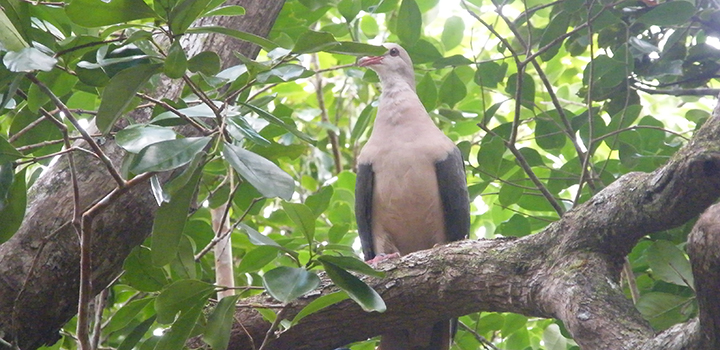
Not all is rosy for the pink pigeon study finds
The authors of a major study on the once critically endangered pink pigeon say boosting the species numbers is not enough to save it from extinction in the future.
Read more
How microplastics in the air are polluting the most remote places on earth
Microplastics are being transported to some of the most remote places on earth by the wind, according to new research involving the University of East Anglia.
Read more
Research priorities for smell disorders revealed
From stem cell therapy to regenerating smell receptors, experts at the University of East Anglia have helped develop a list of research priorities for people with smell and taste disorders.
Read more
New teaching programme launched to get engineers into teaching Physics
The University of East Anglia (UEA) has been selected by the Department for Education (DfE) to run a new course aimed at getting people from an engineering or material sciences background into teaching Physics at secondary schools.
Read more
Faecal transplants reverse hallmarks of ageing
In the search for eternal youth, poo transplants may seem like an unlikely way to reverse the ageing process.
Read more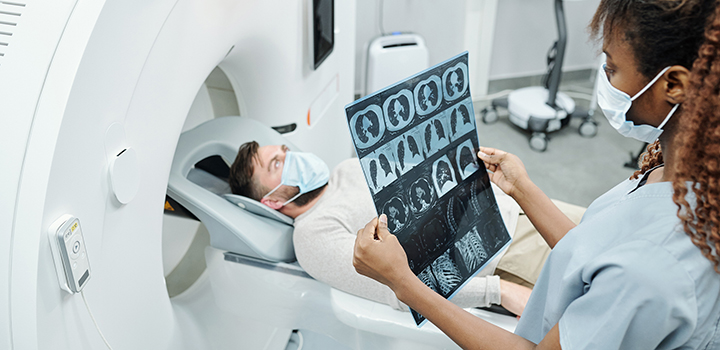
How MRI could revolutionise heart failure diagnosis
Using MRI scans to detect heart failure could revolutionise how the condition is diagnosed, thanks to new research from the University of East Anglia and the University of Sheffield.
Read more
Your Chem Magazine May issue
The Spring edition of our UEA Chemistry Magazine: yoUr chEm mAg is now available.
Read more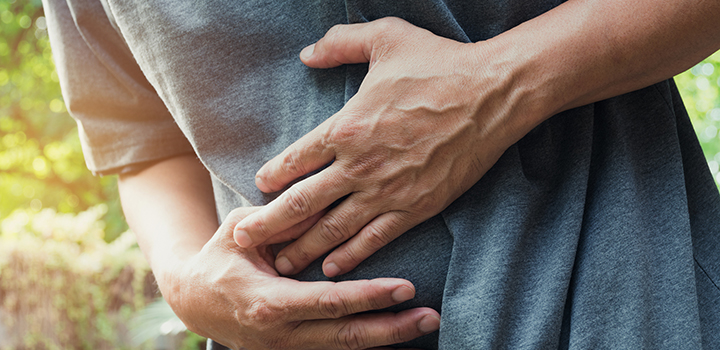
Precision medicine discovers hidden genetic connections behind IBD
Patients with Inflammatory Bowel Disease (IBD) develop the condition due to distinct and different mechanisms determined by their genetics, according to new research involving the University of East Anglia.
Read more


